Uhai Program

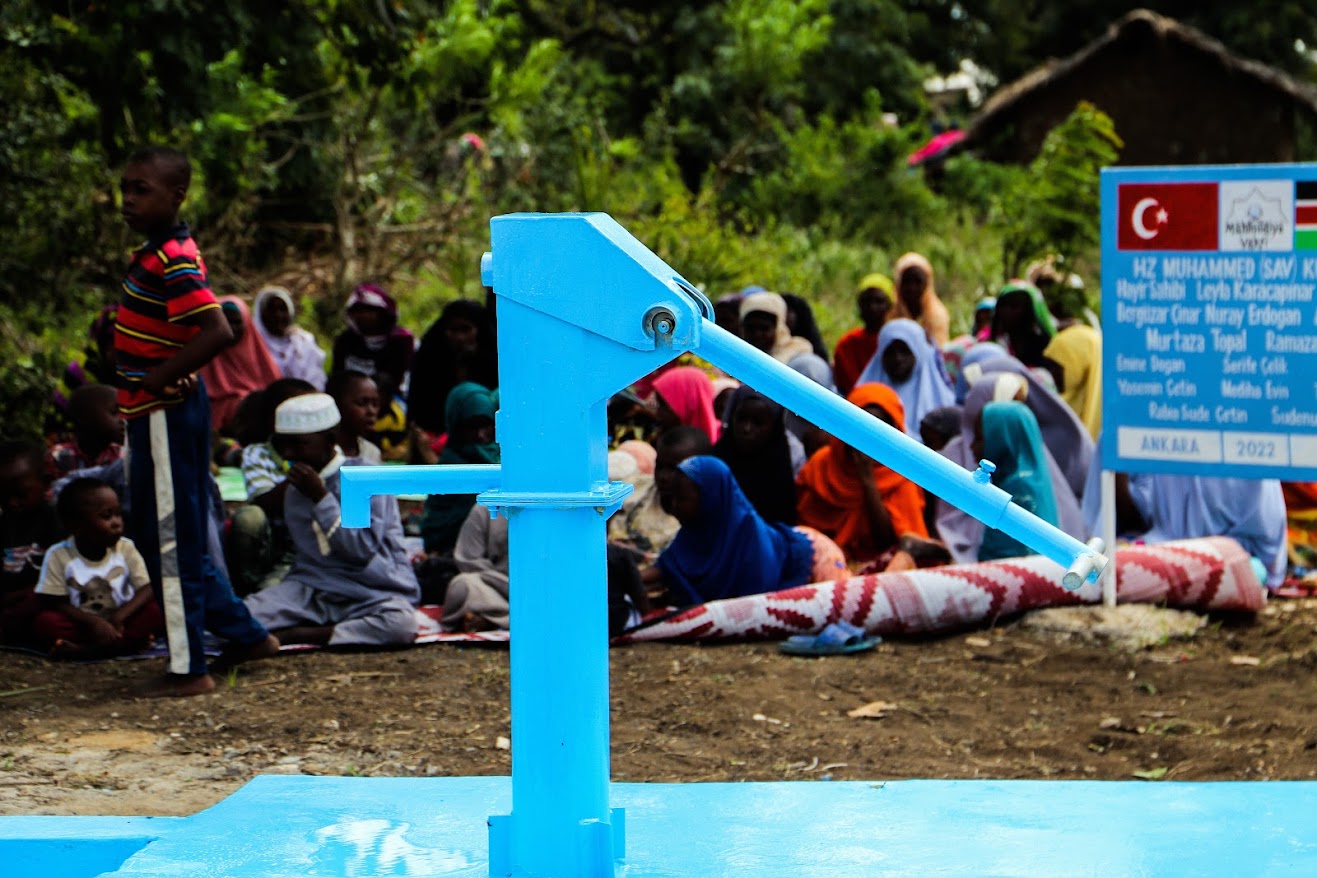
Uhai translates to life in Swahili. These programs include water well drills, sanitation, and hygiene programs. Our goal under this program is to provide clean water and sanitation to regions that need it the most in Kenya. This will entail the drilling of wells and eventually purification plants in regions of high salinity levels. It also includes support for agricultural projects.
Under the health programs we consider:

  • New mothers with various issues, nutrition and dietary programs.
  • Health camps for underprivileged in Kenya
  • Villages with little to no access to proper medical facilities.

Health and Sanitation

Providing clean water goes hand in hand with health and sanitation, and the lack of one creates detrimental shortcomings to the overall wellbeing of our people. Health camps and awareness programs are how we choose to combat this issue. Another activity that we invest in is the distribution of hygiene packs to the children and youth, mostly focusing on counties along the Tan River and Nairobi County.For counties along the Tana River strip in Kenya have long been struggling with access to clean water. This has led to an array of health problems, ranging from mild to severe, depending on the severity of the water quality.One of the most common and dangerous health problems caused by lack of clean water is waterborne diseases. These diseases are caused by ingesting water contaminated with human or animal waste. They can cause a variety of symptoms, including vomiting, diarrhea, fever, and dehydration. In extreme cases, they can even lead to death. In Kwale and Kilifi counties, diseases like cholera and typhoid are particularly common.Lack of clean water can also lead to malnutrition. Many people in these counties rely on the water from rivers and streams for their daily needs. Unfortunately, these waters are often contaminated with pollutants, and the water is not safe to drink. This can lead to a lack of nutrients in the body, leading to malnutrition, especially among children.The lack of access to clean water can also lead to an increase in air pollution. Many people in that region, especially in Kilifi and Kwale counties rely on wood and charcoal for cooking and heating, which releases harmful chemicals into the air.

Water Projects

Water scarcity has become a serious challenge in counties along the Tana River region in Kenya. Climate variability, over-extraction of water, and limited investment in water infrastructure have all contributed to severe shortages. Farmers are among the hardest hit—reduced water access stunts crops, lowers yields, and threatens both income and food security. Limited water also affects essential services like healthcare, education, and sanitation. Environmental impacts are equally significant. Declining water levels, increasing salinity, and the degradation of wetlands and coastal ecosystems have reduced biodiversity. Water scarcity has also contributed to the spread of waterborne diseases such as cholera. Through our Uhai program, we work to address these challenges by drilling wells, installing water pipelines, and providing communities with the knowledge needed to maintain reliable access to clean water. We also offer hygiene and sanitation education, working closely with trusted local partners in each village to ensure long-term impact.

support uhai program