Our programs

Elimu translates to Education in Swahili. This program is intended to focus not just on the performance of the student but social and economic background and his/her talents. It is not limited to students only; we also target madrasa teachers. We provide stipends to deserving madrasa teachers. This is intended to allow them to focus more on teaching rather than other economic activities to support themselves and their families. It also involves the distribution of scholastic equipment as well as setting up libraries in madrasas, children’s homes, and other needy community centers. Our dream is to eventually have our own educational centers in the future.
Scholastic and meal Support
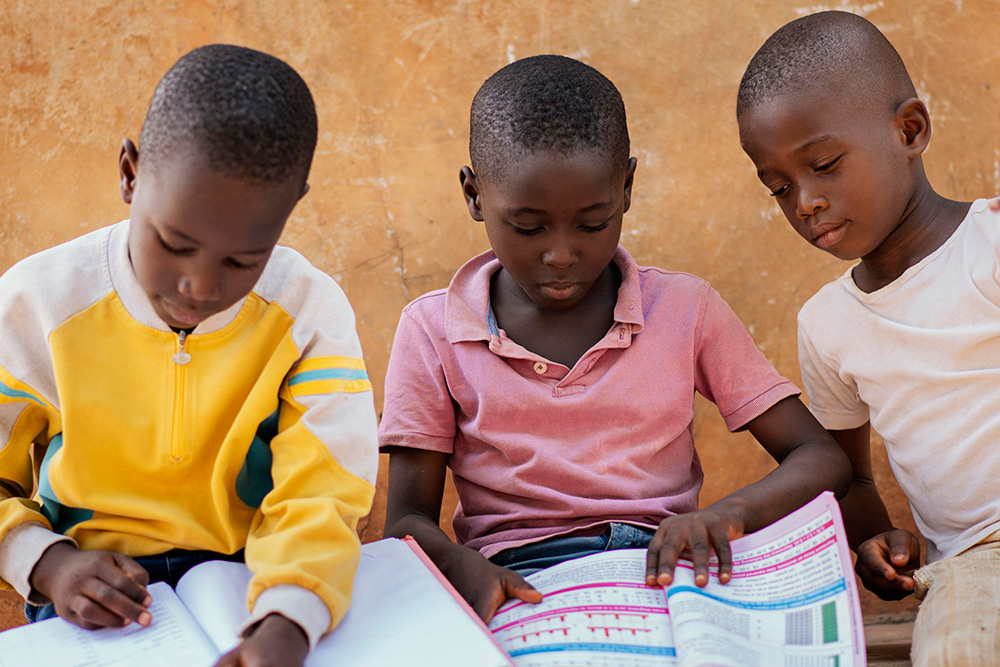
This support focuses on primary schools and madrasas across Kenya, where food and resource shortages are limiting students’ ability to learn. Many learners lack daily meals, with WFP reporting that nearly half of Kenya’s primary school children do not receive adequate nutrition and over 20% are chronically malnourished. These shortages directly impact academic performance, reduce concentration, and contribute to an 11% drop in school attendance since 2011. As a result, dropout rates continue to rise, with more than 35,000 pupils leaving school due to these challenges.
Education Support
This project supports high school students, especially those from Kenya’s slums and rural areas, where literacy levels remain critically low. National literacy for ages 15+ stands at 33.8%, but drops to 28.3% in slums and 27.4% in rural communities—areas where poverty and limited resources severely restrict access to education. Many schools lack basic learning materials, are in poor condition, or charge fees families cannot afford. Students often miss school to work and support their households, further widening the education gap. Without support, many cannot progress to higher education or develop essential skills. At Busara, we address this challenge by providing school fee support to needy high school students, helping talented young Kenyans stay in school and build brighter futures.
Partial Schorlaship
We recognize that Busara is still growing and has a long way to go. We chose to see our limitations as steppingstones that will allow us to eventually achieve our goal. For universities and colleges, we provide support such as accommodation costs, monthly stipend as well as initial shopping for freshmen students. The idea is to eventually be able to provide sponsorship for their education as well
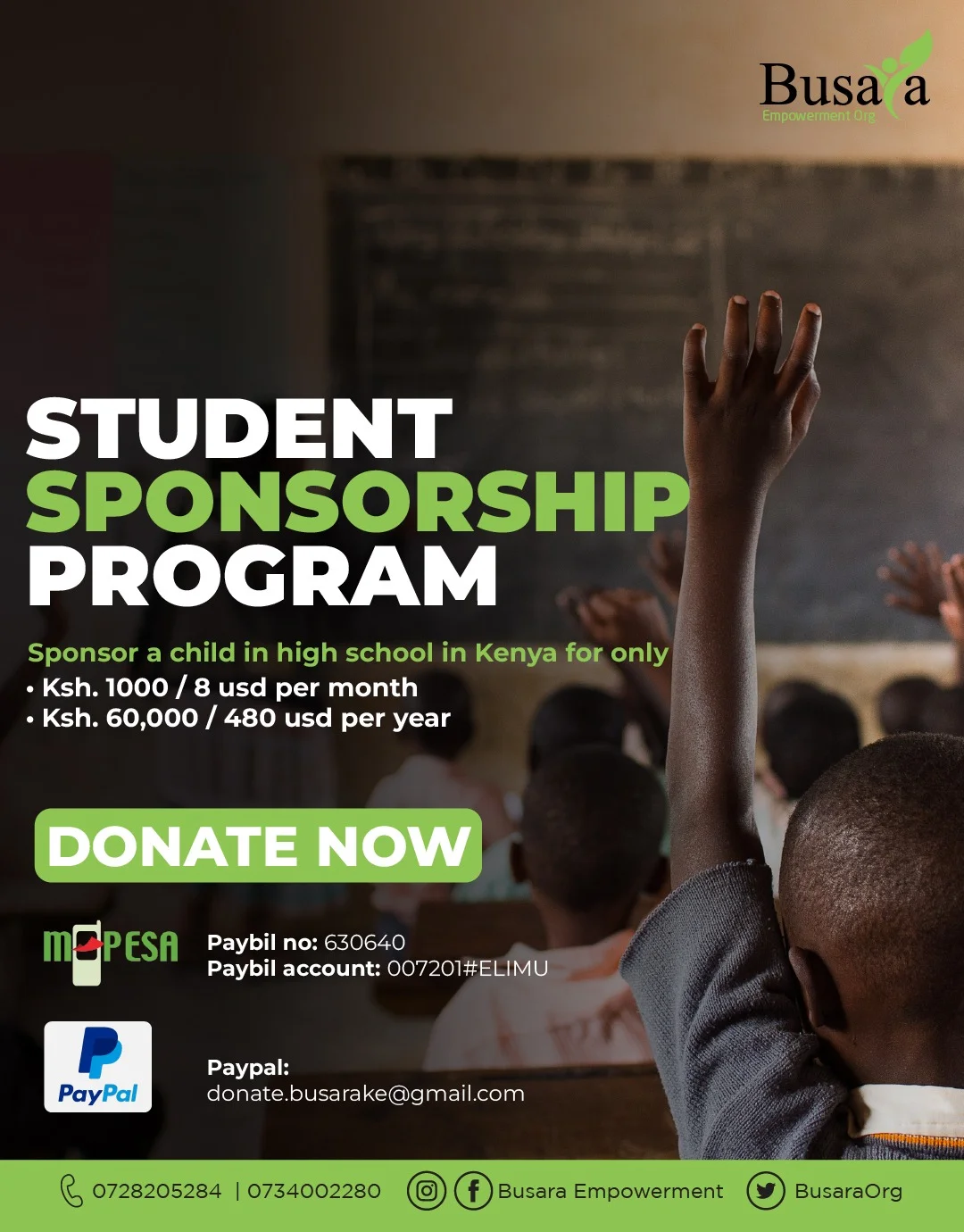
You can help in the Elimu program by volunteering, donating, or fully sponsoring activities. Support in form of mentor/tutor, financial aid, sponsoring specific activities such as building educational centers, scholarships and more. Your support will aid in providing quality education and improve the lives of students and teachers in the community.
support Elimu program
These programs are intended for all within our target groups, who can benefit from them. They are aimed at reducing donor dependency and promoting economic sustainability. Inua translates to “raise” or loosely translated to “empower” in Swahili. Some of the projects under this program include ICT training for high school students, entrepreneurship skills training, vocational training, and small business incubation.Our goal is to also expand from only providing entrepreneurship skills to soft skills and eventually job placements.
Financial empowerment
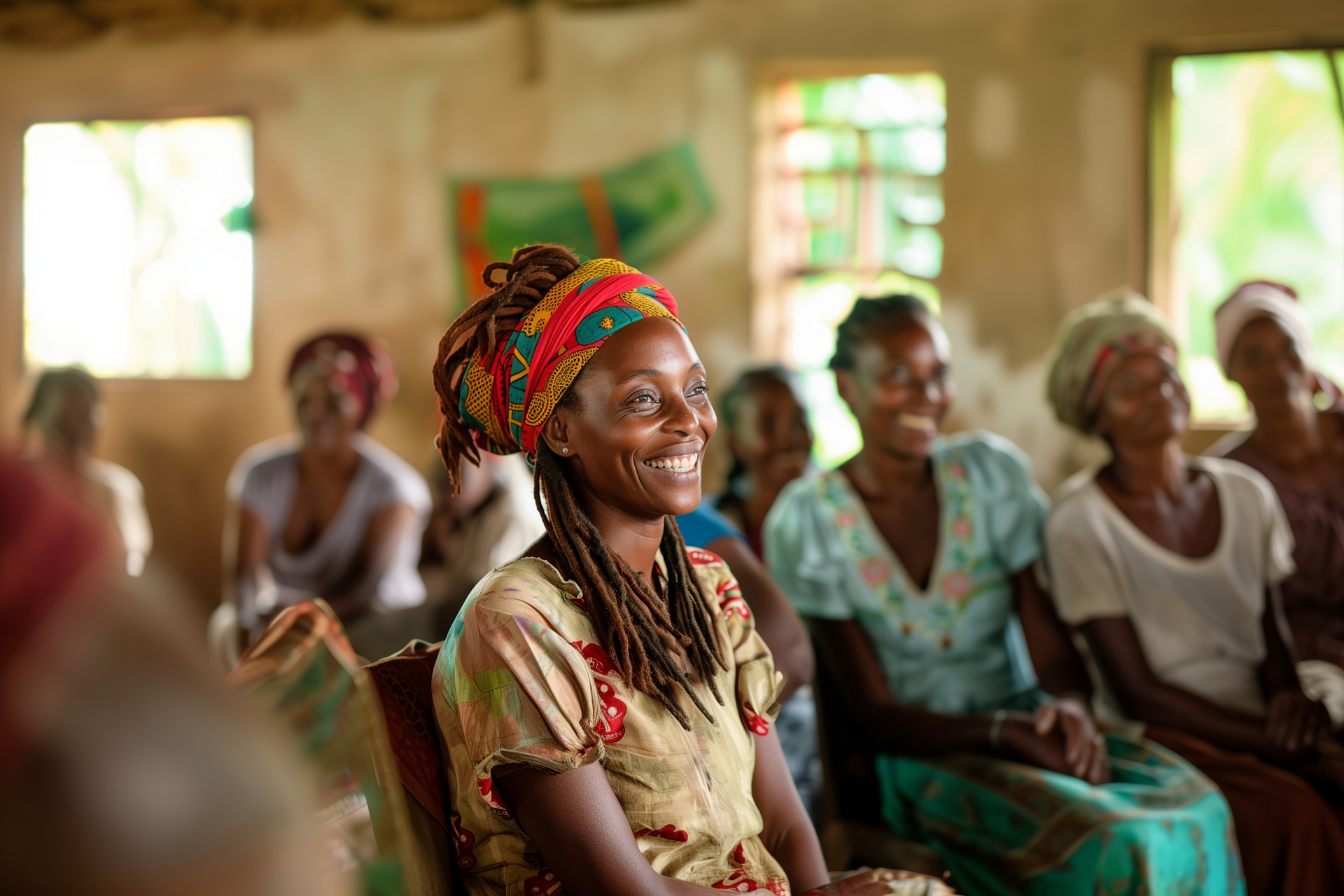
Financial empowerment is essential for Kenya’s growth, especially as access to financial services like bank accounts and mobile money increases faster than financial literacy. Many Kenyans can use financial tools, but lack the knowledge to make informed decisions. True financial empowerment means understanding how to manage money, budget, plan, and navigate financial products with confidence. Without these skills, individuals especially those in vulnerable communities struggle to benefit from economic opportunities. Financial literacy training helps people grasp the basics of money management, saving, and investing, enabling them to build financial security and plan for the future. Without it, many Kenyans are unable to save for retirement, grow their income, or create stability for themselves and their families.
Mentorship Programs
Under this program, we focus on strengthening community centers across Kenya spaces that play a vital role in development, youth engagement, and community unity. These centers provide safe alternatives for young people, keeping them away from crime, drug abuse, and other harmful activities. “Ukarabati,” meaning rebuilding or rehabilitation in Swahili, reflects our commitment to restoring and uplifting these shared spaces.
Youth mentorship is a key pillar of this effort. In Kenya, mentorship has become essential in helping young people build confidence, develop life skills, and access opportunities they might otherwise miss. Through mentors, youth gain guidance, positive role models, and connections to networks, internships, and job pathways. Mentorship also fosters belonging especially for those who lack support within their communities and helps break cycles of poverty by opening doors to education and employment.
Through our Inua program, the Mhenga Project pairs students with suitable mentors during their school years, giving them the support, direction, and opportunities they need to create a better future.
Uhai translates to life in Swahili. These programs include water well drills, sanitation, and hygiene programs. Our goal under this program is to provide clean water and sanitation to regions that need it the most in Kenya. This will entail the drilling of wells and eventually purification plants in regions of high salinity levels. It also includes support for agricultural projects.
Under the health programs we consider:
- New mothers with various issues, nutrition and dietary programs.
- Health camps for underprivileged in Kenya
- Villages with little to no access to proper medical facilities.
Water Projects
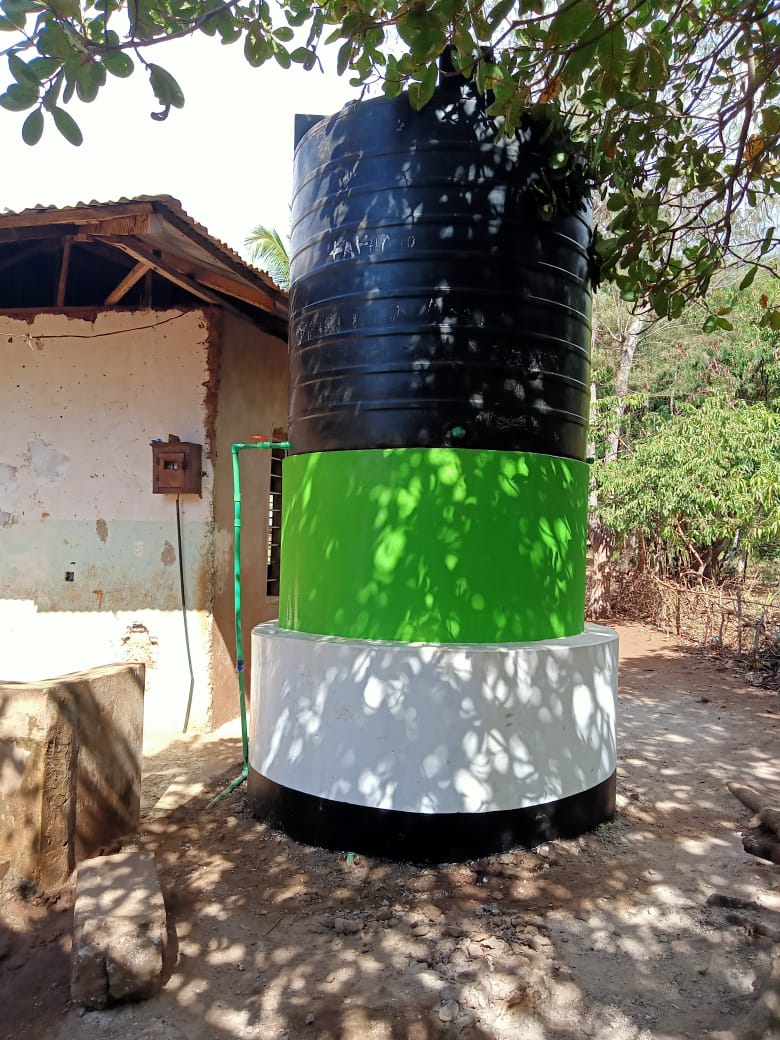
Water scarcity has become a serious challenge in counties along the Tana River region in Kenya. Climate variability, over-extraction of water, and limited investment in water infrastructure have all contributed to severe shortages. Farmers are among the hardest hit—reduced water access stunts crops, lowers yields, and threatens both income and food security. Limited water also affects essential services like healthcare, education, and sanitation. Environmental impacts are equally significant. Declining water levels, increasing salinity, and the degradation of wetlands and coastal ecosystems have reduced biodiversity. Water scarcity has also contributed to the spread of waterborne diseases such as cholera. Through our Uhai program, we work to address these challenges by drilling wells, installing water pipelines, and providing communities with the knowledge needed to maintain reliable access to clean water. We also offer hygiene and sanitation education, working closely with trusted local partners in each village to ensure long-term impact.
Health and Sanitation
Providing clean water goes hand in hand with health and sanitation, and the lack of one creates detrimental shortcomings to the overall wellbeing of our people. Health camps and awareness programs are how we choose to combat this issue. Another activity that we invest in is the distribution of hygiene packs to the children and youth, mostly focusing on counties along the Tan River and Nairobi County.For counties along the Tana River strip in Kenya have long been struggling with access to clean water. This has led to an array of health problems, ranging from mild to severe, depending on the severity of the water quality.One of the most common and dangerous health problems caused by lack of clean water is waterborne diseases. These diseases are caused by ingesting water contaminated with human or animal waste. They can cause a variety of symptoms, including vomiting, diarrhea, fever, and dehydration. In extreme cases, they can even lead to death. In Kwale and Kilifi counties, diseases like cholera and typhoid are particularly common.Lack of clean water can also lead to malnutrition. Many people in these counties rely on the water from rivers and streams for their daily needs. Unfortunately, these waters are often contaminated with pollutants, and the water is not safe to drink. This can lead to a lack of nutrients in the body, leading to malnutrition, especially among children.The lack of access to clean water can also lead to an increase in air pollution. Many people in that region, especially in Kilifi and Kwale counties rely on wood and charcoal for cooking and heating, which releases harmful chemicals into the air.
support uhai program
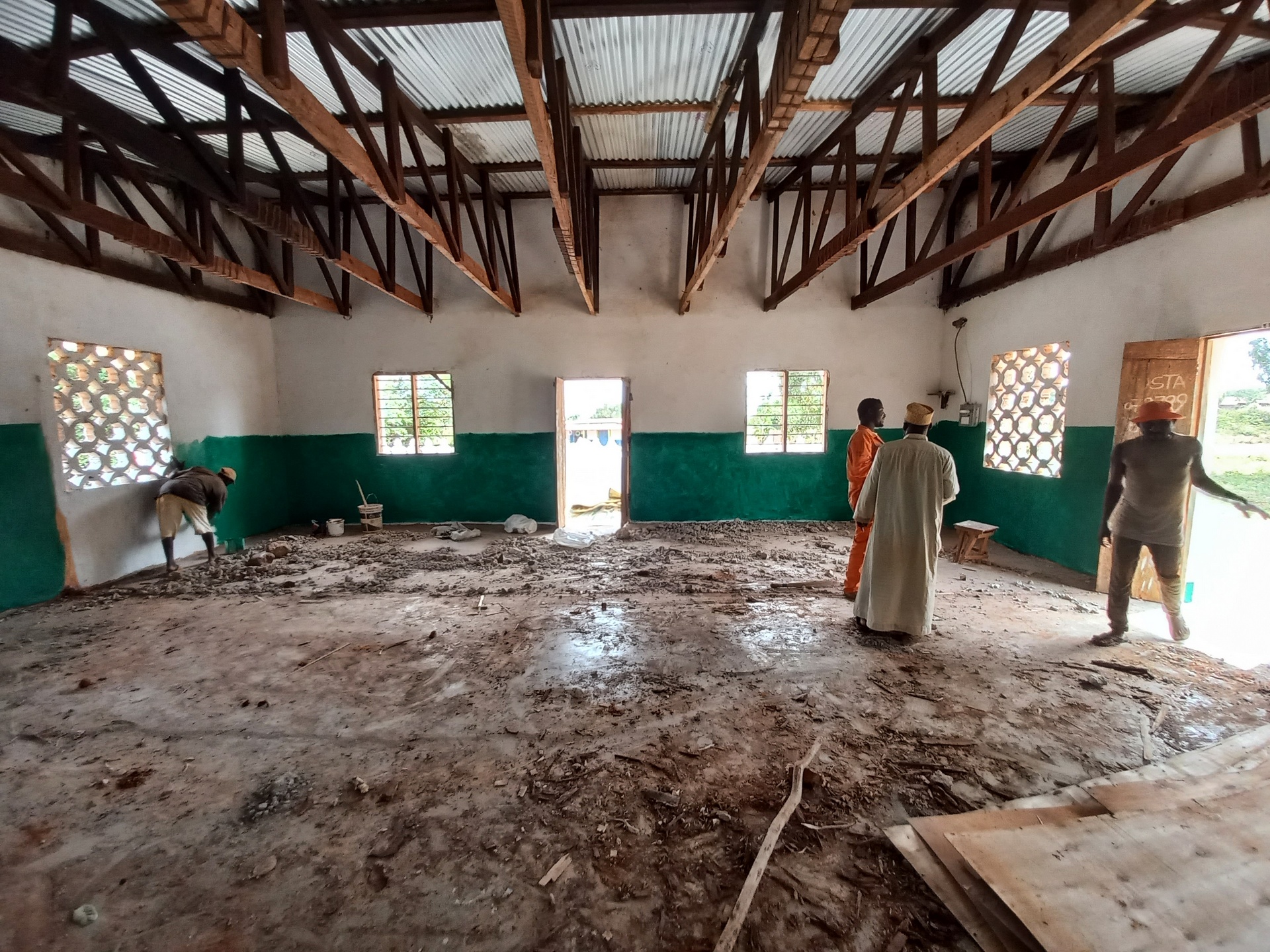
Under this program, we focus on community centers within communities in Kenya. Community centers serve a very vital role in community development. Allowing communities to enjoy the benefits of such centers helps in keeping the youth away from dangerous activities such as drug abuse and crime. It is also a chance to create unity among the members of the community. Ukarabati translates to rebuilding, rehabilitation or to repair in Swahili.Our current activities under this program have been around already existing centers. We provide infrastructural support, renovations, and solar panel installations. Our future entails setting up community centers and mosques in areas that lack
Rebuild and Renovate
Under this program, we focus on community centers within communities in Kenya. Community centers serve a very vital role in community development. Allowing communities to enjoy the benefits of such centers helps in keeping the youth away from dangerous activities such as drug abuse and crime. It is also a chance to create unity among the members of the community. Ukarabati translates to rebuilding, rehabilitation or to repair in Swahili.
Our current activities under this program have been around already existing centers. We provide infrastructural support, renovations, and solar panel installations. Our future entails setting up community centers and mosques in areas that lack.
Equipement and Support
Sometimes, there is no need to re–invent the wheel. At Busara, under the Ukarabati program, we focus on existing establishments such as schools and mosques that may have failed the test
of time and, together with the community breathe new life into them. We find this to be an effective way to continue standing positive traditions and maintaining architectural cultures within the community, while all the same making the spaces functional again. Giving communities the opportunity to continue using a space they had long lost hope for brings a kind of appreciation and joy that is filled with beautiful memories.
Fadhili, which translates to kindness in Swahili, encompasses various charitable acts within the Islamic faith. One example of this is the distribution of food during the holy month of Ramadhan and the meat distribution during the Idd ul Adh’ha (hajj festival) across the country.Additionally, Fadhili includes acts such as Aqiqah, which is the Islamic tradition of sacrificing an animal in honor of a newborn, as well as any other form of donation that may be requested by a donor for a special occasion. These acts of kindness are in line with the principles and traditions of Islam and are an important aspect of the faith.
Ramadhan Annual Iftar Project
Distribution of food packs during the month of Ramadhan is a standing tradition for most if not all Islamic guided organizations all over the world. For us as Busara, this was the first initiative we took up and now, a standing annual tradition under our Fadhili programs.The practice is highly recommended for both religious reasons as well as strategic reasons. According to the teachings of our prophet Muhammed (pbuh).Zayd ibn Khalid reported: The Messenger of Allah, peace and blessings be upon him, said: “Whoever helps break the fast of a fasting person, he will have the same reward as him without decreasing anything from the reward of the fasting person.” Source: Sunan al-Tirmidhī 807, Grade: Sahih These distribution exercises also give us a chance to interact with various communities countrywide and we can identify existing challenges that we may then tackle throughout the year. From last year only, we were exposed to major clean water challenges in various regions including Kwale and Tana River, of which we have been working towards solving. We have so far had the opportunity to implement more than 20 shallow wells, 4 mosque renovation and various donations towards children’s homes.
Udh’hiya Annual Program
Udhiya, also known as qurbani or dhabiha, is a religious practice in Islam that involves the sacrifice of an animal in remembrance of the sacrifice made by Prophet Ibrahim (peace be upon him). The act of sacrifice is done during the Islamic festival of Eid ul-Adha, which is celebrated by Muslims around the world. The practice of Udhiya is an important part of Islamic faith, and it is seen to show devotion to Allah and to remember the commitment of Prophet Ibrahim. Udhiya is a way to express gratitude to Allah for all the blessings bestowed upon us. It is a reminder of our commitment to the Divine and a way to demonstrate that we are willing to give up something that is precious to us. The act of sacrifice also shows that we understand the suffering of others and are willing to show compassion and mercy towards those who are less fortunate than us, aligning well with Busara’s objectives and vision.The animal chosen for sacrifice must be healthy, of a certain age, and of a certain gender. The most common animal chosen is a sheep, but it can also be a goat, a cow, or a camel. The animal must be slaughtered in a humane manner, and the meat must be divided.
Aqiqah and sadaqa
Under our Fadhili programs, Busara supports the Islamic practice of Aqiqah an important Sunnah of Prophet Muhammad (peace be upon him). Aqiqah involves sacrificing an animal, usually a sheep, goat, or cow, on the 7th day after a child’s birth (or any day thereafter). The meat is shared with family, friends, and the poor as an expression of gratitude to Allah for the blessing of a newborn. This tradition reflects mercy, gratitude, and the joy of welcoming new life. Busara also facilitates meat distribution as sadaqa, another meaningful act of charity in Islam. Muslims often sacrifice an animal to give thanks for blessings such as securing a job, achieving a goal, or returning safely from travel following the example of the Prophet (peace be upon him), who offered sacrifice upon returning from journeys. The meat is shared with relatives or given to vulnerable families, strengthening community support. All animals used for Aqiqah or sadaqa must be healthy, meet the required age, and be slaughtered humanely before the meat is fairly distributed.
In – Kind Gifts
At Busara, gifting is one way to reach out to the community and spread hope and love. This can be in the form of clothes, shoes, school supplies, books and much more. Sharing gifts in a community is an important way to show appreciation, love, and gratitude for the people around us. Gifts are a way to show people that we care and that we are thinking of them. Not only do gifts demonstrate our feelings, but they also create a sense of community and connection.It could be a simple gesture like an inspirational card/message or something more elaborate like a gift box filled with treats or even furniture! Regardless, it is a way to show that we recognize them and acknowledge them. Gifts are a great way to show support and encouragement. When someone gives us a gift, it is a sign that they believe in us and want us to succeed. It is a sign that they believe in our dreams and want to help us reach our goals. This kind of recognition and support can be incredibly motivating and inspiring. Furthermore, gifts are a way to build meaningful relationships.
support fadhili program
There are many ways to partner with Busara: donate, volunteer, sponsor a student, or partner with us for projects and coordination on the ground.
Your support goes a long way to enable us impact our communities
Special instructions
Select the type of program you want to support and donate on the special provided account
PAYBILL
630640
ACCOUNT
- 007201#JENGA
- 007201#ELIMUFUND
- 007201#UKARABATI
- 007201#INUAJAMII
- 007201#UHAI
Donate via Bank
Please request bank details by clicking the link below
RequestThank you for your support
Support Elimu Program
Thank you for supporting Busara and changing the lives of those whom we cross paths with
Volunteer
Please use the link below to signup for volunteering for the UHAI PROGRAM current running project
SignupDonate
Support UHAI PROGRAM using the M-Pesa pay bill below or request bank details
Paybill: 630640
Account: 007201#UHAI
Thank you for supporting Busara and changing the lives of those whom we cross paths with
Volunteer
Please use the link below to signup for volunteering for the INUA JAMII program current running project
SignupDonate
Support INUA JAMII Program using the
M-Pesa pay bill below or request bank details
Paybill: 630640
Account: 007201#INUAJAMII
Request banking detailsThank you for supporting Busara and changing the lives of those whom we cross paths with
Volunteer
Please use the link below to signup for volunteering for the UKARABATI PROGRAM current running project
SignupDonate
Support UKARABATI PROGRAM using the
M-Pesa pay bill below or request bank details
Paybill:630640
Account:007201#UKARABATI
Thank you for supporting Busara and changing the lives of those whom we cross paths with
Volunteer
Please use the link below to signup for volunteering for the fadhili program current running project
SignupDonate
Support Fadhili Program using the M-Pesa pay bill below or request bank details
Paybill:
630640
Account:
007201#FADHILI
Request Banking DetailsThank you for supporting Busara and changing the lives of those whom we cross paths with