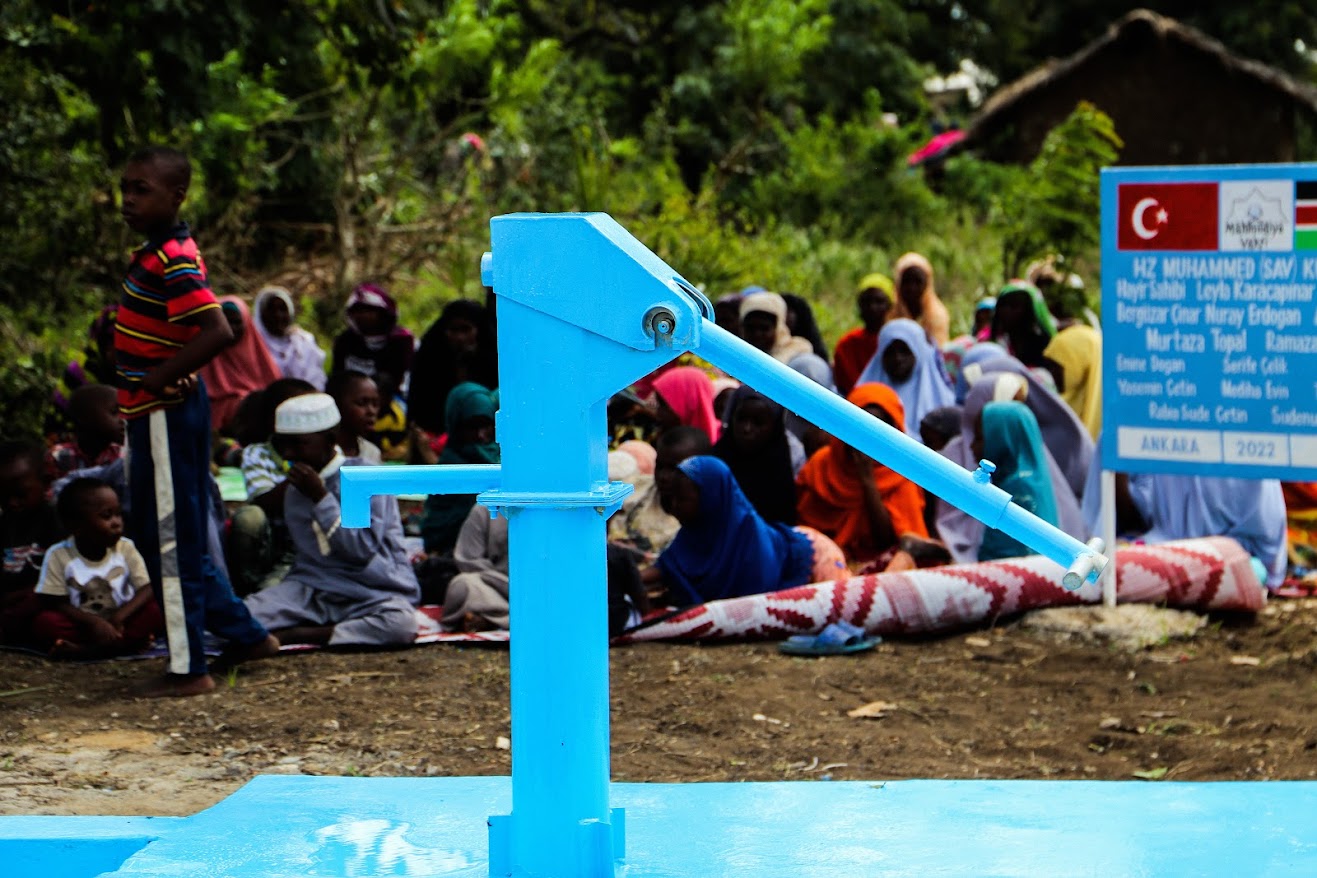
Uhai translates to life in Swahili. These programs include water well drills, sanitation, and hygiene programs. Our goal under this program is to provide clean water and sanitation to regions that need it the most in Kenya. This will entail the drilling of wells and eventually purification plants in regions of high salinity levels. It also includes support for agricultural projects.
Under the health programs we consider:
- New mothers with various issues, nutrition and dietary programs.
- Health camps for underprivileged in Kenya
- Villages with little to no access to proper medical facilities.
Our approach towards health issues focuses on preventive medicine.
Water Projects
Water scarcity has become an increasingly important issue in counties along the Tana River strip in Kenya. The two counties are largely dependent on water resources for their socio-economic and environmental health. Unfortunately, due to a combination of factors such as natural climate variability, over-extraction of water resources, and lack of investments in infrastructure, water scarcity has become a major problem in the region.
The most significant socio-economic impacts of water scarcity are felt in the agricultural sector, as farmers rely heavily on water for irrigation and other farming activities. With limited access to water, crops are often stunted or fail to yield, resulting in reduced income for farmers and decreased food security for the population. The lack of access to water also affects people’s ability to access basic services such as healthcare, education, and sanitation.
The environmental impacts of water scarcity are also severe. Reduced water availability has led to lower water levels in rivers and streams, as well as an increase in salinity of coastal waters. This has resulted in the destruction of wetlands and coastal ecosystems and has had a negative effect on biodiversity. In addition, waterscarcity has caused water-related diseases such as cholera and other waterborne illnesses to spread.
With our Uhai program we are focused on contributing towards solving this issue through drilling of wells and water pipeline , as well as the knowledge that is needed to maintain their access to clean water. We also provide education on hygiene and sanitation. We are able to do this effectively through our local partners from the respected villages.
Health and Sanitation
Providing clean water goes hand in hand with health and sanitation, and the lack of one creates detrimental shortcomings to the overall wellbeing of our people. Health camps and awareness programs are how we choose to combat this issue. Another activity that we invest in is the distribution of hygiene packs to the children and youth, mostly focusing on counties along the Tan River and Nairobi County.
For counties along the Tana River strip in Kenya have long been struggling with access to clean water. This has led to an array of health problems, ranging from mild to severe, depending on the severity of the water quality.
One of the most common and dangerous health problems caused by lack of clean water is waterborne diseases. These diseases are caused by ingesting water contaminated with human or animal waste. They can cause a variety of symptoms, including vomiting, diarrhea, fever, and dehydration. In extreme cases, they can even lead to death. In Kwale and Kilifi counties, diseases like cholera and typhoid are particularly common.
Lack of clean water can also lead to malnutrition. Many people in these counties rely on the water from rivers and streams for their daily needs. Unfortunately, these waters are often contaminated with pollutants, and the water is not safe to drink. This can lead to a lack of nutrients in the body, leading to malnutrition, especially among children.
The lack of access to clean water can also lead to an increase in air pollution. Many people in that region, especially in Kilifi and Kwale counties rely on wood and charcoal for cooking and heating, which releases harmful chemicals into the air.
Participate in Uhai Program
Help us elevate the community by sponsoring projects and other basic developments
Become part of the occasion
Individuals have the opportunity to participate in the Uhai program in a variety of ways. One way is by taking part in activities on the ground, such as assisting with well drilling or participating in health camps.